Enroll in a Driving School for Defensive Driving
Step-by-Step Driving Lessons: Register for Our Instructor-Led Driving Program Today!
Step-by-step driving lessons present a structured approach to developing vehicle control skills. Joining an instructor-led program can considerably enhance a beginner's competence and assurance. The curriculum is carefully designed to cover both basic and advanced techniques, catering to various experience levels. Knowing what these courses involve can make all the difference. There are several key components that support successful skill development and test readiness.
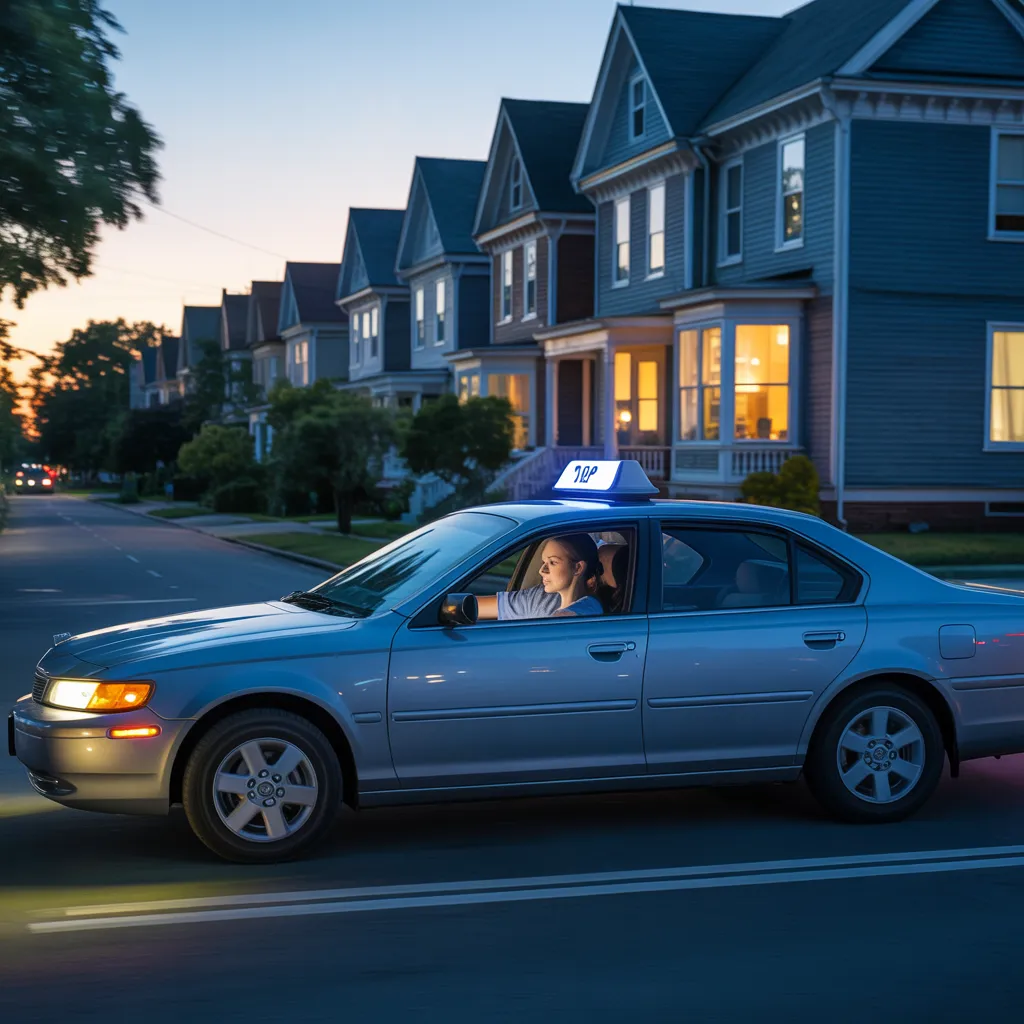
What You Can Expect During Your First Driving Class
As soon as a student enters their first driving course, they may experience a mix of excitement and anxiety. The learning setting, typically populated by fellow students, sets the stage for a significant experience. Driving educators typically begin with introductions, explaining the course structure and safety protocols. Students can look forward to receiving instructional materials, including guides and reference sheets, which will serve as helpful resources throughout their training.
The main concentration is primarily on familiarizing students with vehicle controls, essential road signs, and key traffic regulations. Instructors frequently stress the importance of maintaining a calm demeanor behind the wheel. Learners are invited to raise questions, fostering a supportive learning atmosphere. Following the classroom instruction, most sessions incorporate practical exercises, where participants gain experience with the car in a safe environment. This combination of theory and practice readies learners for the road ahead, building self-assurance as they embark on the road to becoming safe, skilled drivers.
Driver Training Curriculum: Beginner to Advanced
An extensive driving curriculum covers a progression from fundamental skills to higher-level skills, making sure that new drivers develop a firm grounding before approaching more complex traffic conditions. At the outset, participants work on fundamental vehicle operation, including directional control, stopping techniques, and throttle control. They learn critical road regulations, road signs, and responsible driving habits, providing a comprehensive grasp of the driving regulations.
When students exhibit proficiency in these basics, the course moves forward to more complex abilities. This covers traversing various terrains, navigating harsh weather scenarios, and mastering defensive driving techniques. Furthermore, learners are introduced to freeway travel and intricate road crossings, strengthening their capability to act decisively in challenging circumstances.
Across the program, educators highlight the significance of awareness of surroundings and safe driving practices. This systematic framework enables students not only to succeed in their driving examinations but also to emerge as capable and self-assured drivers in a range of driving situations.
Building Confidence as a New Driver
New drivers often face challenges in building their confidence behind the wheel. Starting out as a driver can be quite intimidating, given the many tasks involved and the continuous requirement for attention. To help reduce stress, beginner drivers can gain from steady, hands-on experience across different driving scenarios. Beginning in quieter, less congested areas enables them to build fundamental abilities without the demands of more challenging settings.
Practicing regularly is vital; dedicating more hours to driving allows them to develop greater familiarity and comfort with their vehicle and surroundings. Furthermore, signing up for instructor-led driving courses provides organized learning Driving School and expert direction, building a feeling of confidence. Constructive feedback from teachers and supportive classmates can additionally strengthen a new driver's sense of self-assurance. As abilities develop with time, novice drivers will discover that their assurance increases, turning driving from a demanding activity into a more rewarding and freeing endeavor.
Steps to Prepare for Your Driving Exam
How should a new driver go about preparing for their driving test? Preparation is essential for success. First, familiarizing oneself with the vehicle is important. New drivers should make certain they know how to operate all controls, including lights, wipers, and signals. Additionally, rehearsing techniques like parallel parking, three-point turns, and lane changes will improve their abilities.
Furthermore, studying the driving regulations in your area can offer useful information into what the examiner will expect. Arranging a trial examination with a qualified driving instructor can simulate the actual test environment, which can help ease nerves.
Ultimately, verifying all essential documents are in order, such as the learner's permit and ID, is critical. By implementing these measures, new drivers can tackle their driving test with assurance, boosting their probability of clearing the test on their first go.
Common Questions About Driving Lessons
What do aspiring drivers need to understand prior to beginning lessons? Numerous people share similar questions about the driving lesson process. To begin with, many students inquire about the age requirements; the majority of regions require that students be a minimum of 16 years old to acquire a learner's permit. A common question also relates to the length of lessons; as a rule, each session is around one to two hours long, varying according to the student's skills and individual needs.
Prospective drivers often have questions about the expenses related to driving lessons. Prices can vary widely based on the area and the instructor's expertise. Additionally, many question whether they must bring their own vehicle; nearly all driving schools offer cars equipped with dual controls for the safety of students.
Finally, pupils commonly question the curriculum. Complete lessons generally address fundamental driving techniques, road regulations, and safety guidelines, ensuring that learners are well-prepared for their driving exam as well as everyday driving scenarios.
What Makes Expert-Led Driving Lessons a Great Choice?
Why opt for professional driving lessons rather than casual instruction? This comes down to the quality and overall effectiveness of the training offered. Professional instructors have in-depth knowledge of driving methods, traffic regulations, and safety procedures, making certain that learners are provided with a thorough and detailed education. They follow a structured program that enhances skills in a gradual manner, allowing students to better understand challenging concepts.
Moreover, instructor-guided sessions regularly integrate practical situations, preparing learners to navigate diverse road situations with competence. Driving professionals can provide customized input and corrections, which are essential for developing safe driving habits. Furthermore, their background permits them to personalize sessions to personal learning preferences, maximizing retention and skill acquisition.
Ultimately, experienced instructors generally keep up with up-to-date guidelines and innovations in driving education, making sure their lessons incorporate modern best practices. This level of dedication makes professionally guided driving lessons an excellent option for people seeking to master safe and effective driving skills.

Popular Questions We Receive
At What Age Can I Begin Taking Driving Lessons?
Generally, students can start taking driving lessons at the age of 16, although some regions allow students to begin at 15. It's crucial to check local regulations regarding age restrictions for driving tuition.
Are Driving Lessons Available on Weekends?
Driving lessons are often available on weekends, meeting the needs of different timetables. A large number of driving schools understand the popularity of weekend lessons, enabling learners to develop their driving skills without disrupting their weekday routines.
Can I Use My Own Car for Lessons?
Pupils are often permitted to use their own cars for driving lessons, so long as the vehicle fulfills safety criteria and is in proper working order. Instructors commonly recommend this approach to provide a sense of comfort and familiarity while learning to drive.
What Happens if I Miss a Class?
If a student misses a class, it may be necessary for them to reschedule or complete a makeup session. Policies regarding attendance can vary, so students are encouraged to consult with their instructor regarding any potential penalties or options.
Are Lessons Available for Both Automatic and Manual Cars?
Indeed, the curriculum offers lessons for both manual and automatic cars. Individuals can pick their desired transmission type, ensuring they are provided with tailored instruction that suits their unique driving needs and preferences for skill development.